What Your Soil Is Telling Your Cattle's DNA: The Hidden Link Between Ground Quality and Genetic Performance
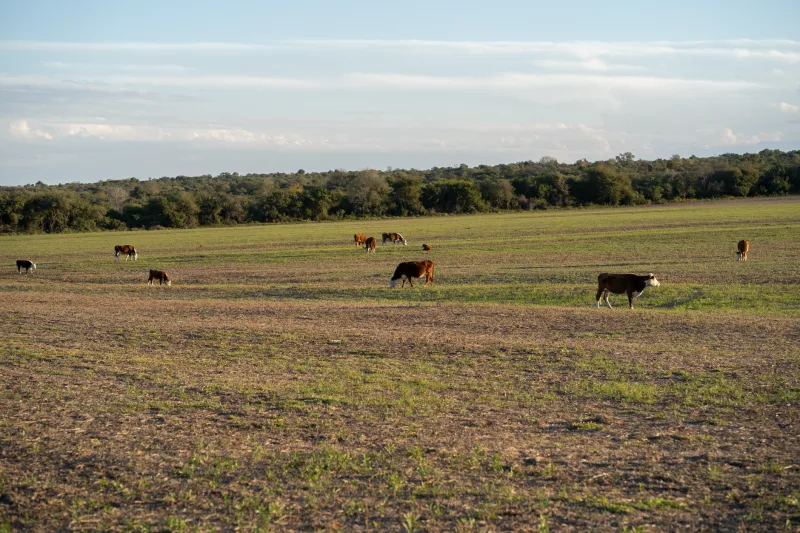
Every serious cattleman understands the value of superior genetics. Breed selection, EPD analysis, genomic testing — these disciplines have become cornerstones of modern herd management, and rightly so. Yet there exists a foundational variable that receives far less attention, one that quietly determines whether those carefully selected genetics actually perform or simply exist on paper: the health of your soil.
The relationship between ground quality and cattle performance is not theoretical. It is biochemical, measurable, and — when properly understood — one of the most actionable profit levers available to the American rancher.
Genetics Are a Blueprint, Not a Guarantee
A bull with exceptional EPDs for growth, milk production, and carcass quality represents genetic potential. That word — potential — is critical. Genetic expression is not automatic. It is conditional, shaped in large part by the nutritional environment in which an animal lives and develops.
At the cellular level, gene expression is influenced by the availability of specific minerals, trace elements, and phytonutrients that cattle obtain almost entirely through forage. When soils are depleted, compacted, or chemically imbalanced, the plants growing in them reflect those deficiencies. Cattle grazing that forage inherit those same nutritional gaps — and the result is a measurable suppression of the very traits you paid a premium to acquire.
In practical terms, this means a cow from elite maternal genetics may wean lighter calves, cycle less reliably, or demonstrate reduced immune competence — not because her genetics are poor, but because her nutritional environment has prevented those genetics from fully expressing themselves.
The Mineral Pipeline: From Soil to Cell
Consider the mineral pipeline that runs from the ground beneath your pastures to the cellular machinery of your cattle. Selenium, zinc, copper, manganese, and cobalt are among the trace elements most critical to reproductive performance, immune function, and skeletal development in beef cattle. Each of these elements must first be present in your soil, then made bioavailable by healthy soil chemistry, then taken up by forage plants, and finally consumed in sufficient quantities by your herd.
A disruption at any point in that chain produces deficiency — and deficiency is expensive. Selenium shortfalls, for example, are directly associated with white muscle disease in calves, reduced conception rates, and retained placentas. Copper deficiency suppresses immune response and contributes to poor hair coat, reduced fertility, and stunted growth. These are not obscure veterinary concerns. They are common, costly, and frequently traced back not to a failed supplementation program, but to soils that cannot support adequate mineral uptake in the first place.
Soil pH plays an especially significant role. When soil pH drifts outside the optimal range — generally between 6.0 and 7.0 for most forage species — mineral availability collapses even when those minerals are physically present in the soil. Acid soils lock up phosphorus, molybdenum interferes with copper uptake, and iron competes with zinc absorption. Addressing these imbalances through targeted liming, amendment, and biological soil management can restore mineral flow through the forage chain without increasing supplementation costs.
What Degraded Soils Cost You in Practice
A ranch in the Flint Hills region of eastern Kansas offers an instructive example. The operation ran a commercial cow-calf program built on well-regarded Angus genetics with solid performance histories. Despite consistent bull quality and a standard mineral supplementation protocol, weaning weights had plateaued for three consecutive years and pregnancy rates hovered near 88 percent — below the operation's historical average.
A comprehensive soil analysis revealed severely depleted organic matter, elevated soil compaction across key grazing paddocks, and pH levels in the low 5s across a significant portion of their acreage. Forage tissue testing confirmed that the grasses being consumed were delivering mineral profiles well below recommended thresholds for breeding cattle.
Following a two-year soil remediation program — which included lime application, reduced tillage practices, introduction of cover crop species, and managed rotational grazing to restore organic matter — forage quality improved substantially. Pregnancy rates climbed to 94 percent in the following breeding season. Average weaning weights increased by 31 pounds per calf. The genetic potential of the herd had not changed. The environment in which those genetics were expressed had.
A similar pattern emerged at a stocker operation in the Texas Panhandle, where a shift toward biological soil management and aggressive pasture rest periods produced measurable improvements in average daily gain — gains that were previously attributed to feed conversion alone, but which soil and forage analysis revealed were closely tied to improvements in the nutritional density of native range grasses.
The Soil Microbiome: An Overlooked Ally
Beyond mineral chemistry, the biological activity within your soil — the microbial communities, fungal networks, and earthworm populations that constitute a living soil ecosystem — plays a direct role in forage quality. Mycorrhizal fungi, for instance, extend the effective root surface area of grasses and legumes, dramatically improving their ability to access water and minerals even under stress conditions. Healthy microbial populations accelerate the decomposition of organic matter into plant-available nutrients and support the nitrogen cycling that underpins forage growth.
Decades of heavy chemical inputs, overgrazing, and mechanical disturbance have compromised the soil microbiome on many American ranches. Restoring biological activity is neither instantaneous nor inexpensive, but the return on investment — measured in improved forage density, reduced supplementation requirements, and better cattle performance — is well-documented across agricultural research literature and increasingly confirmed by ranchers managing their ground with a long-term perspective.
Practical Steps for the Working Rancher
Soil stewardship does not require abandoning your current operation. It begins with information. A comprehensive soil test — not merely pH and macronutrients, but a full micronutrient panel — provides the baseline your agronomist needs to identify deficiencies and prescribe targeted corrections. Pairing that with forage tissue analysis gives you a clear picture of what your cattle are actually consuming versus what they require.
From there, a phased remediation plan built around lime application, organic matter restoration through cover cropping and managed grazing, and the strategic reduction of soil compaction through pasture rest can produce meaningful improvements within two to three growing seasons.
At LH Cattle Co., we have long maintained that the quality of the genetics we offer is only fully realized when those animals are placed in environments capable of supporting their potential. Soil health is not a peripheral concern for the progressive cattleman. It is the foundation upon which every breeding decision, every performance target, and every profit projection ultimately rests.
The Bottom Line
Elite genetics are a sound investment. But they are an investment with a prerequisite — nutritional adequacy delivered through quality forage grown in biologically active, mineral-balanced soil. Ranchers who recognize this connection and act on it do not merely improve their cattle's performance metrics. They multiply the return on every genetics investment they have ever made.
The soil beneath your pastures is not simply real estate. It is the silent partner in every breeding decision on your operation. Treat it accordingly.