When Blood Runs Too Close: Protecting Your Herd from the Silent Threat of Inbreeding

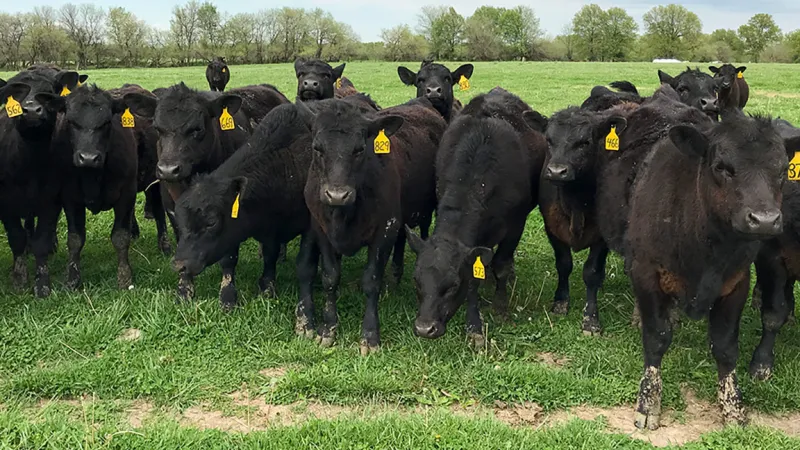
Photo by Photo by Etienne Girardet on Unsplash on Unsplash
The Problem That Grows Quietly in the Background
For ranchers who have spent decades refining a cowherd—selecting for frame, disposition, calving ease, and maternal efficiency—the idea of introducing outside genetics can feel like a step backward. That reluctance is understandable. Building a consistent, high-performing herd takes years of disciplined selection, and protecting those traits is a legitimate priority.
But there is a biological reality that no amount of careful selection can override: when related animals breed repeatedly across generations, the genetic foundation of a herd narrows. Slowly, almost imperceptibly, that narrowing begins to manifest in ways that directly affect your bottom line.
This is the quiet cost of inbreeding—and for many American cattle operations running closed or semi-closed herds, it is already underway.
What Inbreeding Actually Does to a Herd
At its core, inbreeding increases the probability that an animal inherits two identical copies of the same gene from a common ancestor. In genetics, this is measured by the coefficient of inbreeding (COI)—a percentage that reflects the likelihood of that genetic duplication occurring in any given animal.
A COI of zero indicates no known shared ancestry between sire and dam. A COI of 25% means the animal is the equivalent of a full-sibling cross. Most geneticists recommend keeping herd-wide COI averages below 6.25%, though thresholds vary by breed and program.
When COI creeps upward unchecked, several consequences follow:
Reduced Fertility and Conception Rates — Inbred cows frequently show lower pregnancy rates, irregular estrus cycles, and higher rates of early embryonic loss. Inbred bulls often produce lower-quality semen with reduced motility. Either scenario quietly erodes your calf crop percentage year over year.
Increased Expression of Recessive Genetic Defects — Many cattle breeds carry recessive alleles for conditions that remain hidden when paired with a dominant, functional gene. Inbreeding dramatically increases the odds that two copies of a defective recessive gene come together. Conditions such as Contractural Arachnodactyly (CA) in Angus cattle or Pulmonary Hypoplasia with Anasarca (PHA) in other breeds are well-documented examples. These defects produce non-viable or economically compromised calves and represent a direct financial loss.
Inbreeding Depression in Growth and Performance — Research consistently demonstrates that elevated COI correlates with reduced weaning weights, slower gains, and compromised immune function. These are not dramatic, sudden drops—they are gradual declines that are easy to attribute to weather, forage quality, or market conditions rather than genetics.
Diminished Market Value — Buyers of registered breeding stock are increasingly sophisticated. Pedigree analysis tools are widely available, and a prospective buyer who identifies a high COI in your offering will either walk away or negotiate aggressively on price. Reputation in this industry is built over generations and damaged quickly.
How to Map Your Pedigree Before Damage Accumulates
The good news is that inbreeding does not have to be discovered in the calving pen. With the right tools and consistent record-keeping, it can be identified and managed proactively.
Step One: Establish a Complete Pedigree Database
If you are registered with a breed association—American Angus Association, American Hereford Association, or similar—your pedigree data is largely already recorded. Most associations provide online lookup tools and, increasingly, COI calculation features. For commercial operations without registered stock, building a working pedigree database requires disciplined ear tag records, breeding logs, and bull purchase documentation going back at least three to four generations.
Do not underestimate the value of paper records from previous owners if you have purchased cows or bulls over the years. Tracking down those documents is worth the effort.
Step Two: Calculate Coefficient of Inbreeding Across Your Herd
Several software platforms now make COI calculation accessible without a genetics degree. Tools such as the American Angus Association's EPD and pedigree portal, or third-party platforms like Pedigree Viewer and various breed-specific databases, allow ranchers to enter sire and dam combinations and receive an estimated COI before a breeding decision is ever made.
This is the critical shift in approach: calculating COI before breeding rather than discovering inbreeding after calving.
A reasonable annual practice is to run projected COI calculations for every planned sire-dam combination at the start of each breeding season. Flag any pairing that projects above your breed's recommended threshold and identify an alternative sire.
Step Three: Audit Your Bull Battery
One of the most common causes of unintentional inbreeding in commercial and seedstock operations alike is the repeated use of bulls from the same bloodline. If your last three sire purchases all trace heavily to the same influential sire—a not uncommon scenario given the dominance of certain high-EPD bulls in popular breeds—your herd may be accumulating common ancestry faster than you realize.
Audit the pedigrees of every bull currently in your program. Identify which common ancestors appear most frequently across four to five generations. This exercise alone often reveals surprising concentration.
Introducing Genetic Diversity Without Abandoning What You've Built
The fear that diversifying genetics means dismantling years of selection progress is the primary reason many ranchers delay addressing inbreeding. It is a legitimate concern, and the solution is not to throw open the gates to unproven outside genetics.
Strategic outcrossing—selecting sires from unrelated bloodlines that still meet your performance, EPD, and disposition standards—is the practical middle path. Modern EPD data and genomic testing mean you do not have to sacrifice predictability when introducing new genetics. A bull from a different lineage can still be a known quantity if you evaluate him on the same performance criteria you always have.
For seedstock producers, maintaining two or more genetically distinct sire lines within the same breed allows you to rotate matings and control COI without sourcing bulls from outside your program at all. This approach requires more planning and a larger bull battery, but it provides long-term sustainability.
Artificial insemination also opens access to sires whose pedigrees are extensively documented and whose COI impact can be calculated precisely before a single straw is thawed. For operations looking to introduce diversity with maximum control, AI is among the most effective tools available.
The Long-Term Arithmetic of Pedigree Management
Consider a straightforward scenario: a 200-cow operation that experiences a 5% reduction in pregnancy rate due to inbreeding depression. At current calf values, that represents fifteen to twenty calves per year that are never born. Over a decade, the cumulative loss—accounting for compound interest on reinvested proceeds—is substantial by any measure.
Add in the cost of a genetic defect outbreak, the reputational damage from selling compromised breeding stock, and the veterinary expense of investigating fertility problems before their genetic origin is identified, and the economic case for proactive pedigree management becomes overwhelming.
At LH Cattle Co., we believe that the most durable herds are built on a foundation of disciplined genetics and honest record-keeping. The ranchers who will compete most effectively in the decades ahead are those who treat pedigree management not as a bureaucratic exercise, but as a core operational discipline—as fundamental as pasture rotation or herd health protocols.
The blood running through your cowherd represents years of investment. Managing it carefully is not optional. It is the job.