The 90-Day Window That Determines Whether Your Bull Purchase Was a Bargain or a Bust
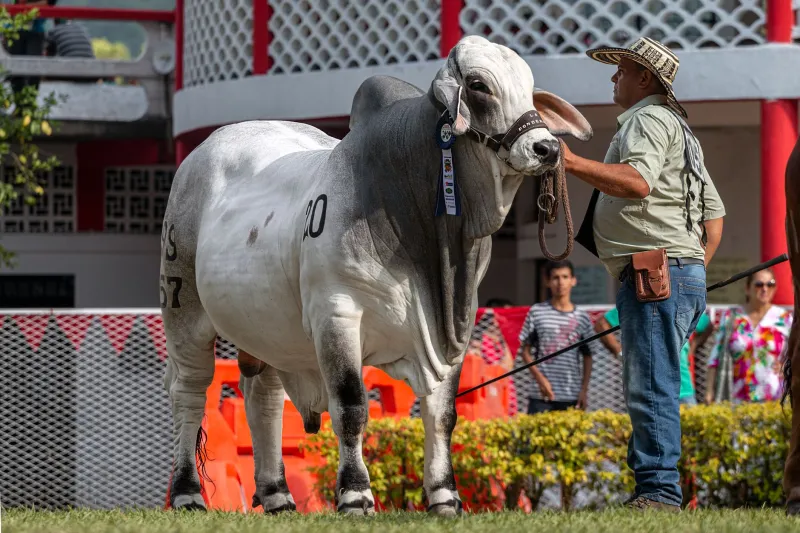
Every spring, American ranchers invest thousands — sometimes tens of thousands — of dollars in breeding bulls. They study EPDs, scrutinize scrotal circumference measurements, attend production sales, and negotiate with careful deliberation. The selection process receives enormous attention, and rightly so. But walk onto most operations two weeks after that bull steps off the trailer, and you will find the same story repeated: the animal has been turned out, expectations have been set, and the management plan effectively ends there.
That gap between purchase and proven performance is where genetic potential either takes root or quietly erodes. At LH Cattle Co., we have observed this pattern long enough to call it what it is — one of the most consistent and avoidable sources of lost return in the cattle business.
The Illusion of Completion at the Sale Barn
There is a psychological phenomenon that occurs the moment a rancher completes a major purchase. The mental energy invested in evaluation, comparison, and decision-making creates a sense of resolution. The work feels done. In reality, the bull purchase is not the conclusion of a process — it is the beginning of one.
A bull purchased for $6,000, $10,000, or more carries embedded expectations: improved weaning weights, better marbling scores, superior maternal traits in replacement heifers. None of those outcomes are guaranteed by the act of purchase alone. They are earned through disciplined post-sale management during a window most ranchers treat as routine rather than critical.
The first 90 days following acquisition represent the highest-risk period in a bull's productive life on your operation. Stress, nutritional disruption, unfamiliar terrain, and premature breeding demands can collectively suppress fertility, compromise body condition, and permanently alter how that animal performs in your environment.
Transition Feeding: The First Place Plans Fall Apart
Bulls arriving from production sales have frequently been developed on high-energy rations designed to showcase optimal condition for the sale ring. When those animals arrive on a ranch and are immediately placed on pasture or dramatically reduced rations, the nutritional transition can be severe enough to trigger measurable declines in semen quality.
Research from land-grant universities has consistently demonstrated that sperm production cycles take approximately 60 days to complete. This means that nutritional stress experienced in the first weeks after arrival can affect the quality of semen used during the breeding season — even if the bull appears visually sound at turnout.
A responsible transition feeding program bridges the gap between the bull's pre-sale diet and your ranch's standard nutritional program over a period of two to three weeks. This is not coddling an animal; it is protecting a capital investment through straightforward biological logic.
Acclimation Is Not Optional
Geographic and environmental acclimation matters more than most producers acknowledge. A bull sourced from higher elevations may require several weeks to adjust respiratory capacity at lower altitudes. A bull moving from the Northern Plains to a Gulf Coast operation faces humidity, heat load, and parasite pressure that are genuinely foreign to his physiology.
Beyond climate, there is the social dimension. Introducing a new bull directly into an established herd without a quarantine and observation period invites both disease transmission risk and unnecessary physical confrontation with resident bulls. Dominance hierarchies are real, and a fresh arrival — regardless of his pedigree — may sustain injuries during early social competition that sideline him precisely when you need him most.
A minimum 30-day isolation period accomplishes multiple objectives simultaneously: it allows observation for illness or injury that may not have been apparent at purchase, it permits veterinary examination and any necessary vaccinations on your ranch's protocol, and it gives the bull time to stabilize physically before facing the demands of breeding.
The Early Overuse Problem
Perhaps the most common error in bull management is demanding too much too soon. Young bulls — particularly two-year-olds — are still developing physically and should not carry a cow-to-bull ratio equivalent to a mature, proven sire. Overworking a young bull in his first breeding season on your operation risks not only his immediate fertility but his long-term soundness and libido.
A practical framework for first-season cow-to-bull ratios in young bulls generally caps exposure at 20 to 25 cows. For mature bulls in an unfamiliar environment, a brief observation period before full turnout allows you to assess libido, locomotion, and overall readiness — factors that a pre-breeding soundness evaluation alone cannot fully predict in a new setting.
Monitoring breeding behavior directly during the first two weeks of the breeding season is time well spent. A bull that is not actively seeking and breeding cows is a problem that compounds with each passing day of the breeding window.
Building a Practical Post-Purchase Framework
The operational framework for protecting a bull investment does not require elaborate infrastructure. It requires intentionality and a written plan executed consistently.
Days 1 through 30 should be dedicated to quarantine, veterinary integration, and nutritional transition. Keep the bull separate from the main herd, evaluate his body condition weekly, and adjust his diet gradually toward your standard program. Administer vaccinations according to your herd health protocol and conduct a post-arrival breeding soundness evaluation if one was not completed within 60 days of purchase.
Days 31 through 60 represent the acclimation and conditioning phase. The bull can be introduced to limited social contact — ideally with a small group of cows or heifers not yet in the breeding rotation — to allow natural hierarchy establishment without the pressure of an active breeding season. Continue monitoring body condition and adjust feed accordingly.
Days 61 through 90 mark the readiness evaluation and controlled introduction to breeding. Assess locomotion, condition score, and libido before turnout. Begin the breeding season with a conservative cow-to-bull ratio and observe actively during the first two weeks.
What This Costs You If You Skip It
The arithmetic of neglected post-purchase management is not abstract. A bull that enters the breeding season nutritionally compromised, physically stressed, or carrying an undetected injury may settle 30 to 40 percent fewer cows than his genetic potential would otherwise support. On a 25-cow exposure, that translates to 7 to 10 open cows — each representing a calf not weaned, a cycle of reproductive efficiency broken, and a year of genetic improvement forfeited.
Multiply that across even two or three seasons before the problem is identified and corrected, and the financial damage exceeds the bull's purchase price by a considerable margin.
The Investment Deserves a Plan
At LH Cattle Co., we believe that premium breeding stock carries an obligation on both sides of the transaction. Our responsibility is to provide animals with verified genetics, sound structure, and proven performance potential. Your responsibility is to create the conditions in which that potential can express itself.
A bull purchase without a post-sale management plan is not a complete investment decision — it is half of one. The ranchers who consistently realize the genetic gains they purchased are not necessarily the ones who buy the highest-priced bulls. They are the ones who treat the weeks following purchase with the same seriousness they applied to the selection process itself.
The 90-day window is yours to use or lose. Use it deliberately.