Climate-Proof Your Cowherd: A Rancher's Guide to Selecting Genetics That Endure

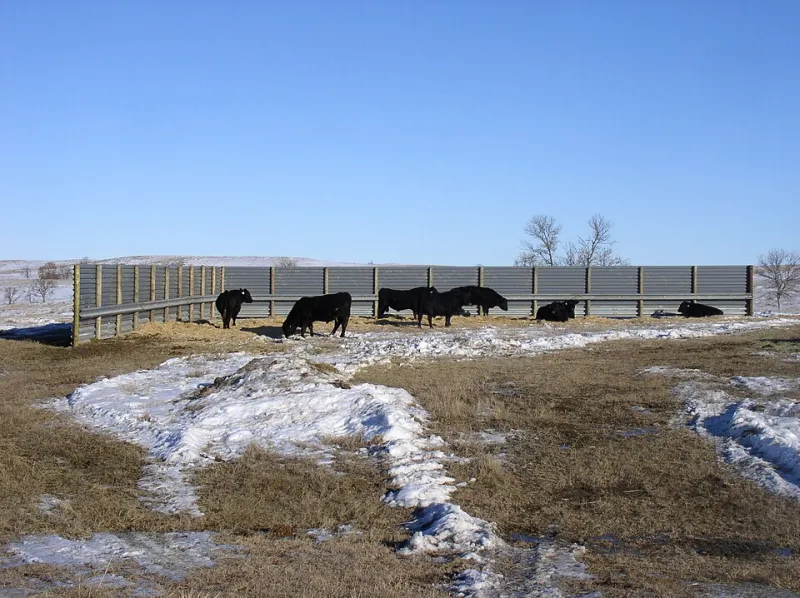
Photo by Photo by Matt Palmer on Unsplash on Unsplash
There is a reason the old-timers said a good cow had to earn her keep every day. They were not speaking abstractly. They understood that an animal ill-suited to its environment costs money in ways that never appear cleanly on a balance sheet—extra feed to compensate for poor body condition, veterinary intervention for heat stress complications, reproductive failure during a drought year, calves lost to a late spring blizzard. These costs are real, and they compound.
At LH Cattle Co., we hold a straightforward conviction: genetics are not merely about growth curves and carcass merit. They are about survivability, adaptability, and the capacity of an animal to perform under the specific pressures your land and climate impose. Selecting for resilience is not a concession to difficulty—it is the most commercially sound decision a rancher can make.
This piece is written for the producer who wants to future-proof a herd without starting over. The goal is not to tear down what you have built. It is to understand which genetic traits matter most in your region and how to incorporate them thoughtfully into your long-term breeding program.
Why Regional Fit Matters More Than Breed Prestige
The American beef industry has long been influenced by the prestige of certain breeds and bloodlines, sometimes to the detriment of practical regional suitability. A bull with extraordinary EPDs for weaning weight is not an asset if his calves require intensive supplementation to survive a dry summer on sparse Southwest range. Conversely, a moderate-framed, heat-tolerant cow that weans a consistent calf year after year on marginal forage is worth considerably more to a Texas Hill Country rancher than a higher-indexing animal that demands inputs the land cannot naturally provide.
Regional fit encompasses several dimensions: heat and cold tolerance, forage efficiency on native grasses, resistance to regional parasites and disease pressure, reproductive consistency under nutritional stress, and structural soundness across terrain types. No single breed excels in all these categories across all geographies, which is precisely why the rancher's first obligation is to understand the environment before selecting the genetics.
The Southwest and Southern Plains: Drought Tolerance as a Non-Negotiable
For ranchers operating across Texas, New Mexico, Oklahoma, and the southern reaches of the Great Plains, the defining environmental challenge is heat and periodic drought. Extended dry cycles reduce forage availability, concentrate parasites around limited water sources, and place sustained reproductive stress on the cowherd.
Breeds and composites with Bos indicus influence—Brahman, Brangus, Beefmaster, and Santa Gertrudis, among others—carry well-documented physiological advantages in these conditions. Their ability to regulate body temperature through larger sweat glands, loose skin, and distinctive coat characteristics translates directly into maintained feed intake during high-heat periods when British-bred cattle often experience suppressed appetite and declining body condition.
For the rancher with a predominantly British-breed cowherd in the Southwest, this does not mean a wholesale replacement program. Introducing a moderate-frame Brangus or Beefmaster bull into a rotation adds hybrid vigor and heat-tolerance genetics without abandoning the carcass quality traits your existing cowherd carries. Over two to three generations, the composite influence accumulates in a herd that is both more productive and more self-sufficient under dry conditions.
It is also worth noting that tick resistance—a practical and economically significant trait—is markedly stronger in cattle with Bos indicus genetics. In regions where the Southern cattle tick and associated diseases remain a management challenge, this trait alone can justify a breeding shift.
The Northern Plains and Mountain West: Cold Hardiness and Nutritional Efficiency
The calculus changes entirely in Montana, North Dakota, Wyoming, and the upper Midwest, where the defining pressures are severe winters, short growing seasons, and the nutritional demands of maintaining body condition through months of cold stress.
Here, British and Continental breeds have long demonstrated their value. Angus cattle, in particular, have earned their dominant position in the Northern Plains through genuine environmental fitness—they are moderate-framed, efficient converters of native grass, and their coat characteristics provide meaningful insulation against cold. Hereford genetics bring similar cold hardiness with the added advantage of exceptional foraging instinct on open range, a trait that reduces the labor demand of winter supplementation.
For producers in the Northern Rockies and high-altitude ranges of Colorado and Utah, Tarentaise and Pinzgauer genetics—less commonly discussed but practically proven—offer noteworthy adaptation to rough terrain and cold-season nutritional efficiency. These breeds are not widely fashionable, but fashion has never fed a calf through a Wyoming March.
The opinion here is direct: Northern Plains ranchers who have drifted toward large-framed, high-growth genetics in pursuit of weaning weight premiums have sometimes done so at the cost of cow longevity and winter hardiness. A cow that requires heavy supplementation to maintain condition through February and struggles to rebreed on schedule after a hard winter is not a profitable cow, regardless of what her calves weigh in October.
The Southeast and Gulf Coast: Parasite Resistance and Humidity Adaptation
The humid subtropical climates of the Southeast—spanning Georgia, Alabama, Mississippi, and the Gulf Coast states—present a distinct set of genetic challenges. Internal parasite pressure, particularly from barber pole worm (Haemonchus contortus), is arguably the most economically significant health challenge in this region, and breed selection has a direct bearing on how severely a herd is affected.
St. Croix, Katahdin, and other breeds with documented FAMACHA-tested parasite resistance have gained traction in the Southeast sheep industry, but the principle applies equally to cattle selection. Breeds and composites with Romosinuano or Florida Cracker genetics carry naturally higher parasite resistance developed over centuries of selection in tropical and subtropical environments. These are not mainstream commercial choices, but they are genuinely relevant for the Southeast producer tired of escalating dewormer costs and refugia management.
For the conventional commercial producer, the practical guidance is to incorporate Bos indicus influence—again, Brahman or Brangus composites—which consistently demonstrate lower fecal egg counts and stronger overall resilience in high-humidity environments compared to straightbred British cattle.
Building Resilience Without Rebuilding From Scratch
The most common mistake ranchers make when confronting climate-related herd performance challenges is overcorrecting. Selling off an established cowherd and purchasing replacement genetics from a dramatically different breed background introduces new management demands, temperament variability, and nutritional adjustment periods that can temporarily worsen performance before improving it.
A more measured approach—one that respects the investment already made in your existing genetics—focuses on sire selection as the primary lever for change. A well-chosen bull, selected for the specific environmental adaptation traits your region demands, will shift the genetic profile of your calf crop meaningfully within two breeding seasons. Over five to seven years, consistent sire selection in a deliberate direction can transform a herd's regional fitness without the financial disruption of a wholesale replacement program.
The second lever is culling discipline. Cows that consistently fail to rebreed on schedule, require disproportionate supplementation to maintain body condition, or produce calves that struggle with regional health challenges should not be retained simply because they have been in the herd for years. Every retained female is a breeding decision, and breeding decisions compound over time.
A Final Word on Future-Proofing
Climate variability is not a future concern—it is a present reality for ranchers across the country. The drought years are getting harder in some regions; the winter events are becoming less predictable in others. The genetics you select today will be working for or against you for the next decade.
At LH Cattle Co., our position is that resilience is not a compromise on performance. It is the foundation of it. The most productive herd is the one that survives, reproduces, and performs under the actual conditions of your ranch—not the ideal conditions of a breed catalog photograph. Select accordingly.